The best HVAC SEO company is the one that can show booked jobs from Google for contractors like you, not the one with the biggest promises. Look for deep Google Business Profile and map pack experience, separate service and service-area pages, a seasonal content plan, honest reporting on calls and booked jobs, short or flexible contracts, and full ownership of your website and profile staying with you.
On this page
- What an HVAC SEO company should actually do
- HVAC keyword research: what homeowners actually search
- 12 questions to ask before you hire an HVAC SEO company
- Red flags when choosing an HVAC SEO agency
- Affordable SEO for HVAC contractors: what it really costs
- SEO vs Local Services Ads vs Google Ads
- What the best HVAC SEO websites have in common
- Building a review engine for HVAC
- Plan SEO around the seasons
- HVAC SEO company vs freelancer vs doing it yourself
- How long HVAC SEO takes
- How to measure whether your HVAC SEO company is working
- Frequently asked questions
HVAC is one of the most competitive local search categories. When an air conditioner fails in a heatwave or a furnace stops on a freezing night, homeowners search, call one of the first businesses they see and book. The right SEO company puts you in those positions and proves it with booked jobs. The wrong one sends monthly ranking reports while the phone stays quiet. This guide explains what good HVAC SEO looks like, how to evaluate agencies, what it costs and what results to expect.
What an HVAC SEO company should actually do
A specialist HVAC SEO company focuses on the handful of activities that win calls in a local, urgent and seasonal market:
- Google Business Profile optimisation: the right primary category (for example “HVAC contractor” or “Air conditioning repair service”), accurate service areas, complete services, real job photos and a steady review flow. See our Google Business Profile checklist.
- Dedicated service pages for AC repair, AC installation, furnace repair, heat pump installation, ductless mini-splits, maintenance plans and indoor air quality, each with its own page.
- Service-area pages with genuine local detail: jobs completed in each suburb, local housing stock, response times and reviews from that area.
- Reviews and reputation management built into the technician workflow.
- Citations and consistency across directories and manufacturer dealer locators.
- Technical SEO and a fast mobile site, since most emergency searches happen on phones.
- Seasonal content published ahead of cooling and heating peaks.
- Call tracking and reporting that connects SEO to booked jobs and revenue.
HVAC keyword research: what homeowners actually search
Good HVAC SEO starts with the searches that produce profitable jobs, not just the highest volume terms.
| Search type | Examples | Page that should rank |
|---|---|---|
| Emergency | AC not working, emergency furnace repair near me, 24 hour HVAC | Emergency repair page and Business Profile |
| Service + location | AC repair Dallas, heat pump installation Plano | Service pages and service-area pages |
| Replacement research | cost to replace AC unit, heat pump vs furnace | Guides and pricing pages |
| Brand-specific | Carrier furnace repair, Trane AC service | Brands-serviced page or sections |
| Maintenance | AC tune-up, furnace maintenance plan | Maintenance plan page |
| Symptoms | furnace blowing cold air, AC freezing up | Troubleshooting articles linking to repair pages |
12 questions to ask before you hire an HVAC SEO company
- Can you show results for other HVAC or home service contractors, including calls or booked jobs?
- Do you work with a competitor in my service area?
- What exactly will you do in the first 90 days?
- How will you improve my Google Business Profile and map pack visibility?
- Which service and location pages will you create or improve?
- How do you earn links, and can I see examples?
- How do you track phone calls and form enquiries back to SEO?
- What will the monthly report show, and who explains it to me?
- Who owns the website, content, Business Profile and analytics accounts?
- What is the contract length and notice period?
- How do you plan around peak cooling and heating seasons?
- How does SEO work alongside my Local Services Ads and Google Ads?
Red flags when choosing an HVAC SEO agency
- Guaranteed first-page or #1 rankings. Nobody controls Google’s results; guarantees usually mean obscure keywords nobody searches for.
- They want to own your Business Profile or website. You should always be the primary owner.
- Long lock-in contracts with no performance review points.
- Keyword-stuffed business names such as “Best AC Repair Dallas Cheap HVAC”, which risk suspension.
- Hundreds of near-identical city pages, a doorway tactic Google filters out.
- Cheap bulk backlinks or private blog networks, which fall under Google’s link spam policies.
- Reports full of rankings and traffic but nothing about calls or booked jobs.
Affordable SEO for HVAC contractors: what it really costs
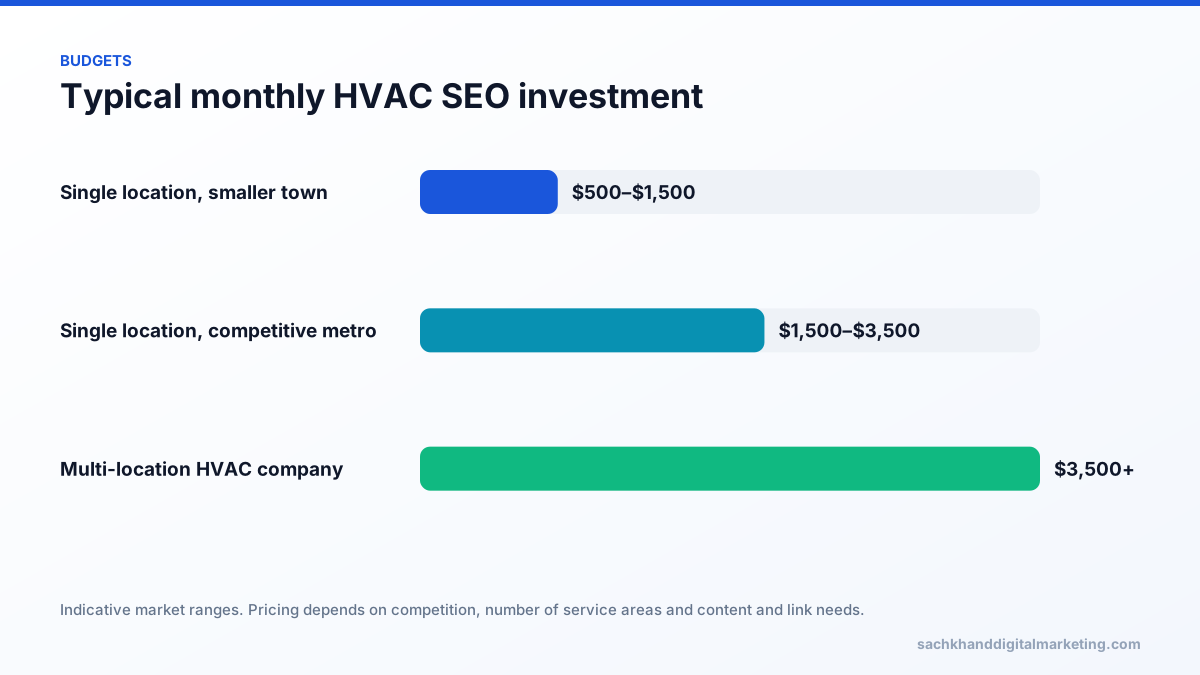
“Affordable” should mean well scoped, not cheap. A low-cost package that only submits directory listings rarely moves the map pack in a competitive city. A better approach is to start with your most profitable services and core service areas, do them properly, and expand as leads come in. When comparing proposals, compare the actual deliverables: pages created, reviews process, links earned, tracking and reporting.
SEO vs Local Services Ads vs Google Ads
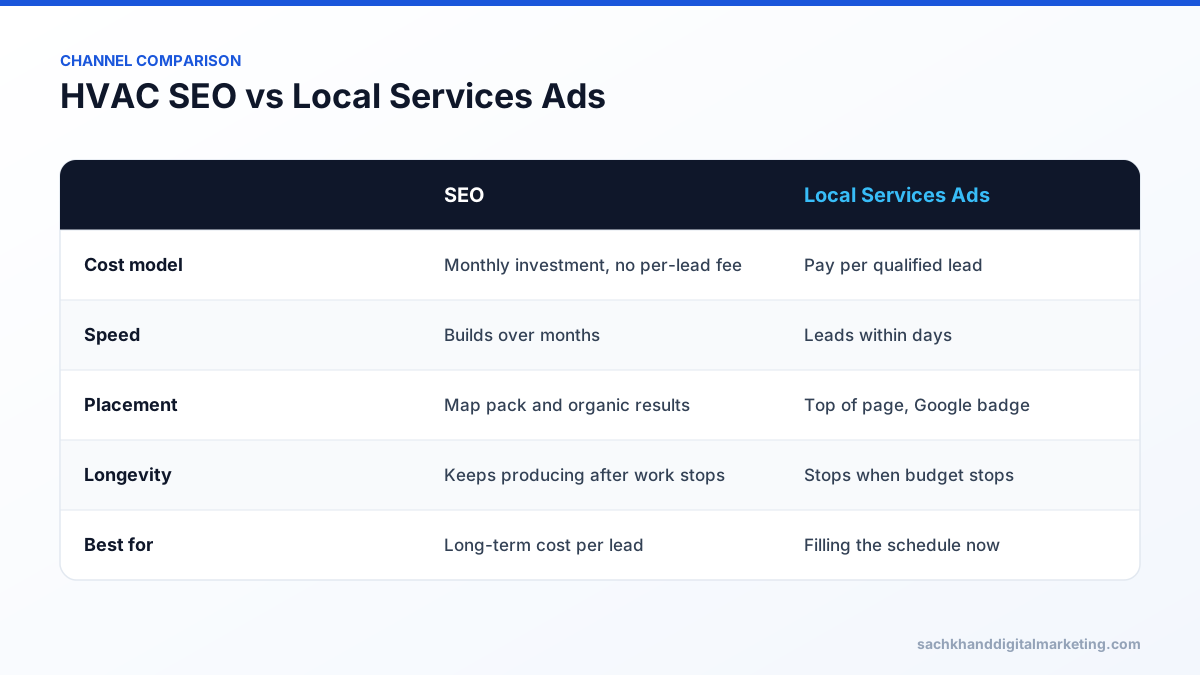
Google Local Services Ads appear at the very top of many HVAC searches with a Google verification badge, and you pay per qualified lead. Search ads (PPC) let you control keywords and messaging but charge per click. SEO costs a monthly investment but keeps producing calls without per-lead fees. Most established HVAC companies use all three, shifting budget between them as seasons, capacity and cost per lead change.
What the best HVAC SEO websites have in common
- A click-to-call phone number and “Book service” button on every mobile screen.
- Separate pages for each service and each main service area.
- Clear emergency availability, response times and service hours.
- Trust signals: licences, insurance, manufacturer dealer status, technician certifications, warranties and financing.
- Real photos of the team, vans and completed installs.
- Reviews displayed near calls to action.
- Fast pages that pass Core Web Vitals.
- LocalBusiness or HVACBusiness structured data that matches the Business Profile.
Building a review engine for HVAC
Reviews are especially powerful for HVAC because homeowners are inviting someone into their home. Build requests into the job workflow: technicians mention reviews at the end of a visit, and your field service software sends an SMS with a direct review link within the hour. Encourage customers to mention the service and area naturally, reply to every review, and share standout reviews in Business Profile posts and on relevant service pages.
Plan SEO around the seasons
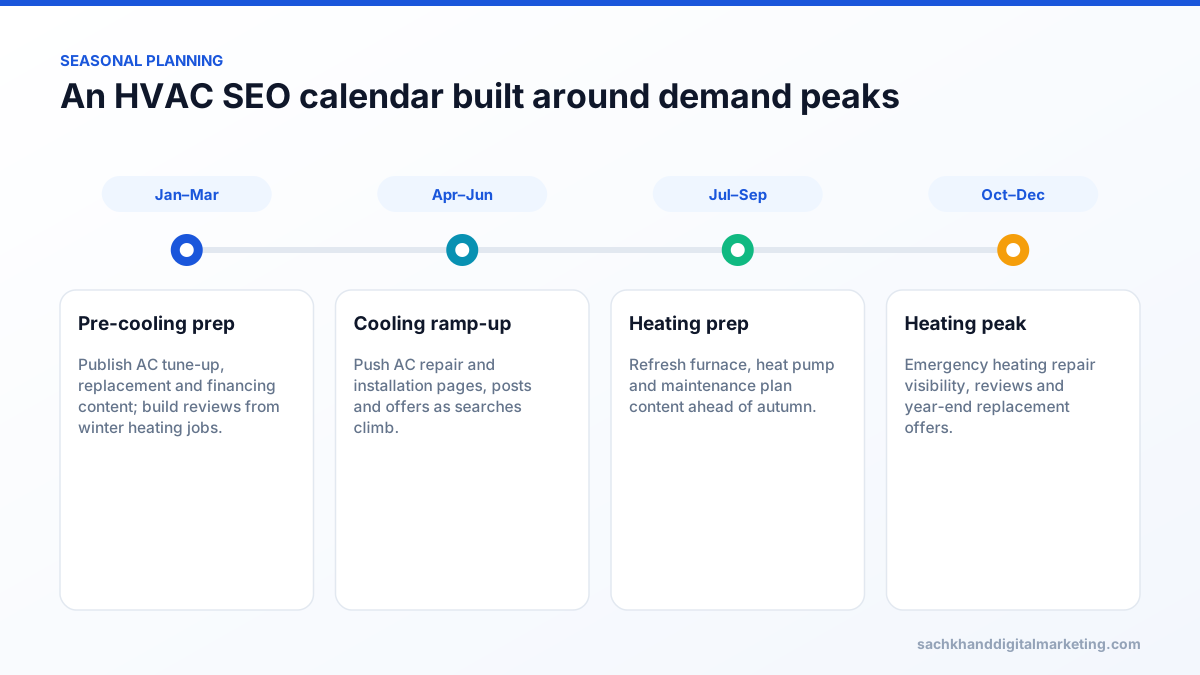
Search demand for cooling and heating services rises sharply as temperatures change. Because rankings take time to build, content and page improvements should be published two to three months before each peak. Off-peak months are ideal for technical work, maintenance plan promotion and building review volume.
HVAC SEO company vs freelancer vs doing it yourself
| Option | Best for | Watch out for |
|---|---|---|
| Specialist HVAC or home services SEO company | Contractors who want predictable lead growth without managing SEO | Contracts, account ownership, conflicts with competitors |
| Freelance SEO consultant | Smaller budgets and single-location businesses | Capacity limits and skill gaps |
| In-house or DIY | Owners with time who mainly need Business Profile and review basics | Time cost and technical or link-building mistakes |
How long HVAC SEO takes
Google Business Profile improvements and review growth can move map pack visibility within weeks. Service and service-area pages usually take three to six months to rank well in competitive markets, and new websites can take longer. Judge progress by leading indicators first (impressions, profile actions, rankings for service terms) and then by calls and booked jobs.
How to measure whether your HVAC SEO company is working
- Calls, website clicks and direction requests from your Business Profile.
- Tracked phone calls and form enquiries from organic search, separated from ads.
- Booked jobs and revenue attributed to SEO in your field service software.
- Map pack visibility across your whole service area, not just around your office.
- Cost per lead compared with Local Services Ads and Google Ads.
Frequently asked questions
How much does SEO cost for an HVAC company?
Most HVAC contractors invest somewhere between about $500 and $3,500 a month, depending on market competition, the number of locations and services, and how much content and link building is needed. Multi-location companies often spend more.
How do I choose the best HVAC SEO company?
Ask for results from similar home service contractors, a clear 90-day plan, reporting on calls and booked jobs, short or flexible contracts and confirmation that you own your website and Business Profile. Avoid anyone guaranteeing rankings.
Is SEO or Local Services Ads better for HVAC?
They work best together. Local Services Ads deliver pay-per-lead calls quickly, while SEO builds map pack and organic visibility that keeps producing leads without paying for each one.
How long does HVAC SEO take to work?
Map pack gains from Business Profile work can appear in weeks, while competitive service and location pages typically take three to six months. Start two to three months before your peak season.
What pages should an HVAC website have for SEO?
At minimum: a page for each core service (AC repair, AC installation, furnace repair, heat pumps, maintenance plans), pages for main service areas, an emergency service page, financing, reviews and contact information with consistent business details.
Looking for an HVAC SEO company that reports on booked jobs, not vanity metrics?
Talk to our team about your goals. We will show you where the biggest wins are, starting with a free, no-obligation audit.